Low Maintenance Requirements
- Tank Size: Betta fish can live comfortably in tanks as small as 5 gallons, which reduces the need for large, space-consuming setups.
- Feeding Schedule: They only need to be fed once or twice a day with specialized betta pellets or flakes.
- Water Conditions: Betta fish are tolerant of varying water conditions, provided their tank is kept clean and free from harmful chemicals like chlorine.
Because of these simple requirements, children can easily learn how to care for a pet without being overwhelmed by complex tasks.
Educational Opportunity for Children
- Feeding the fish at regular intervals.
- Assisting in cleaning and maintaining the tank.
- Observing and identifying when their betta might need attention (e.g., changes in behavior or appearance).
These hands-on responsibilities allow children to develop essential life skills while fostering a deeper connection with their new companion.
Vibrant Colors and Unique Personalities
| Trait | Description |
| Active Swimmers | Some bettas love exploring their tanks daily. |
| Bubble Nest Builders | Males create bubble nests on the water’s surface. |
| Interactive Behavior | Bettas often respond to people near their tanks. |
This combination of visual appeal and engaging behavior ensures that young pet owners remain fascinated by their new aquatic friend.
Cost-Effective Option
Compared to dogs or cats, keeping a betta fish is significantly more affordable. The initial investment includes purchasing the fish itself (typically $5–$30 depending on variety) along with basic supplies like a tank setup and food. This budget-friendly aspect makes it easier for families to give their child an enriching pet experience without financial strain.
Choosing a betta fish as your child’s first pet is a thoughtful decision that balances fun with valuable learning opportunities. Their unique traits combined with simple care needs make them an ideal starter pet suitable for kids of various ages.
A Guide to Buy Betta Fish Online for Your Home Aquarium
Choosing the right Betta fish for your home aquarium is a crucial step in ensuring a vibrant and healthy pet. Betta fish, also known as Siamese fighting fish, are known for their striking colors and unique personalities. However, selecting the perfect Betta requires more than just picking a fish that looks attractive. Below are key factors to consider when choosing a Betta fish for your aquarium.
How to Assess the Health of Betta Fish from an Online Shop
The health of your chosen Betta is of utmost importance. Observing certain signs can help you determine whether a fish is healthy:
– Look for bright, vibrant colors. Dull or discolored fins could indicate illness or stress.
– Inspect fins and body for tears, holes, or white spots, as these may be signs of infection or fin rot.
– Observe their swimming behavior. A healthy Betta should appear active and alert without showing difficulty in movement or floating lethargically at the surface.
When purchasing from a store, avoid any tanks where multiple Bettas are housed together without dividers—this can lead to stress and injuries.
How to Buy Betta Fish for Sale: Male vs Female Bettas
Deciding between a male or female Betta depends on your preferences and setup:
– Male Bettas: Known for their dramatic, long-flowing fins and aggressive nature toward other male Bettas. Males are best suited to solitary tanks unless kept with carefully selected tank mates in larger setups. – Female Bettas: Though less flashy than males, females are still quite colorful and have shorter fins but tend to be less aggressive in nature.
If you’re considering housing multiple females together (a “sorority”), special care must be taken to ensure adequate space, hiding spots, and compatibility among individuals.
| Feature | Male | Female |
| Fin Length | Long-flowing | Shorter |
| Aggression Level | Higher (especially with other males) | Lower but varies by individual |
| Color Intensity | Often more vivid | Subtle yet beautiful |
1. Considering Colors and Patterns
Betta fish come in an array of exciting colors like red, blue, purple, orange, white, and iridescent shades that shimmer under light. Additionally, they display unique patterns such as:
– Solid Colors: Single-hued Bettas add simplicity yet elegance to your aquarium. – Marble Patterns: These fish exhibit irregular patches of different colors that can sometimes change over time. – Butterfly Patterns: A striking pattern where the body color transitions into clear edges along the fins. – Koi Patterns: Resembling Koi fish with speckled appearances resembling Japanese Koi carp.
Choose a color or pattern that complements your aquarium décor while considering personal preferences.
2. Tail Types
Betta fish possess various tail shapes that add personality to their appearance:
– Veiltail: Classic sweeping tails often seen in pet stores. – Crowntail: Spiky extensions on fins resembling a crown. – Halfmoon: Large semicircular tails creating an elegant fan-like appearance. – Plakat: Shorter tails reminiscent of wild Bettas—ideal if you prefer low-maintenance fin care.
Each tail type comes with its own charm; however, keep in mind that elaborate fins may require careful maintenance due to increased susceptibility to damage.
3. Compatibility With Tank Mates
While many prefer keeping Bettas in individual tanks due to their territorial instincts, housing them with compatible tank mates is possible under specific conditions: – Ensure tank mates are small and non-aggressive (e.g., snails or shrimp).
– Avoid species with long-flowing fins as they may provoke aggression from male Bettas who mistake them as rivals.
By understanding behavior traits alongside physical characteristics like health status or patterns/tails when selecting one ensures happier outcomes both aesthetically+well-being-wise
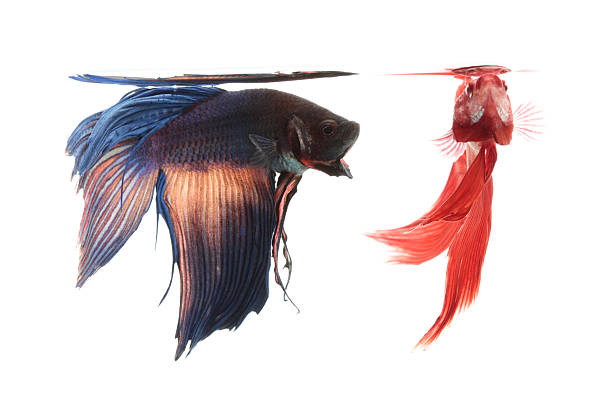
How to Choose the Perfect Betta Fish for Your Home Aquarium
When selecting a betta fish for your home aquarium, there are several factors to consider to ensure you choose a healthy, vibrant fish that suits your preferences and environment. Betta fish come in a variety of colors, tail types, and temperaments, making it essential to evaluate your options carefully. Below is a comprehensive guide to help you make an informed decision.
1. Evaluate the Health of the Fish
- Bright, vivid colors without discoloration.
- Fins that are intact and free from tears or fraying.
- Clear eyes without cloudiness or bulging.
- Smooth scales with no signs of fungus or injuries.
- Active swimming rather than lying motionless at the bottom of the tank.
- An alert response when approached or when food is introduced.
- Proper gill movement without heavy breathing.
If you notice lethargy, clamped fins (fins held close to their body), or any visible signs of disease like white spots or bloating, consider another fish.
2. Understand Tail Types and Colors
- Veil Tail: Long, flowing fins that trail gracefully as they swim.
- Halfmoon: A dramatic fan-like tail that spreads up to a full 180 degrees.
- Crowntail: Features spiky extensions at the end of each fin ray.
- Plakat: Shorter fins resembling wild-type bettas; often hardier.
- Color Variations:
Betta fish come in nearly endless color varieties. Some common choices include: | Color Type | Description | |——————-|————————————————–| | Solid Colors | Single-color bettas like red, blue, white, or black. | | Bicolor | One body color paired with different-colored fins. | | Marble | Irregular patterns that can change over time. | | Koi | Resembling koi fish with splashes of red, orange, or black. |
Select a combination that best reflects your aesthetic preference while ensuring the fish looks healthy in its coloration.
3. Male vs Female Betta Fish
Male bettas are typically more vibrant in color and have longer fins compared to females but can be more aggressive. Females tend to be smaller with shorter tails but may be better suited for community tanks if housed with compatible species.
Consider these differences before deciding: – If you’re seeking dramatic visuals and prefer keeping only one fish per tank due to aggression concerns, opt for a male betta. – If you’re interested in starting a sorority tank (a group of female bettas), choose females but ensure they have ample space and hiding spots to reduce territorial disputes.
4. Observe Compatibility With Other Tank Mates
If you plan on introducing other species into the aquarium along with your betta: – Avoid fin-nipping species like barbs or guppies as they may damage the delicate fins of your betta. – Opt for peaceful bottom-dwellers such as corydoras catfish or small schooling species like neon tetras (if space permits).
Regardless of compatibility, always monitor interactions closely during initial introductions.
By following these guidelines when choosing your perfect betta fish companion, you’ll set yourself up for success in creating an engaging and beautiful aquatic environment tailored specifically to meet their needs while reflecting personal style preferences effectively within one’s care routines.
Understanding the Lifespan of Betta Fish and How to Enhance It
Betta fish, also known as Siamese fighting fish, are a popular choice for aquarium enthusiasts due to their vibrant colors and fascinating behavior. Understanding their lifespan and how to extend it is essential for ensuring they live healthy, happy lives. On average, betta fish live between 2 to 4 years, but with proper care, some have been known to live up to 5 years or longer.
Factors That Influence Betta Fish Lifespan
- Some bettas naturally have stronger genetic traits than others.
- Breeding practices can impact longevity; bettas bred for showy fins may sometimes sacrifice health for appearance.
- Clean water is vital for a betta’s survival.
- Poor water quality can lead to stress and diseases like fin rot or swim bladder issues.
- Regular water changes (25%-50% weekly) help maintain optimal conditions.
- A nutritious diet supports better health and boosts the immune system.
- Overfeeding or an unbalanced diet can lead to obesity or bloating-related problems.
- A properly sized tank (minimum of 5 gallons) with plants or hiding spots reduces stress.
- Stable water temperature (76°F–81°F) is critical for well-being since bettas are tropical fish.
Tips for Enhancing Betta Fish Lifespan
- Provide Adequate Space: While small bowls are often marketed for bettas, they thrive in larger tanks with more room to explore.
- Use a Filter: Filters help maintain clean water by removing toxins and debris while promoting oxygen circulation.
- Temperature Maintenance: Invest in an aquarium heater with a thermostat to ensure consistent temperatures.
- Feed High-Quality Food: Use pellets specifically designed for bettas along with occasional treats like brine shrimp or daphnia.
- Limit Stressors: Minimize loud noises or sudden movements around the tank that could startle your fish.
Common Health Issues in Bettas
| Health Issue | Symptoms | Prevention/Treatment |
| Fin Rot | Frayed fins, blackened edges | Keep water clean; use antibiotic treatments |
| Swim Bladder Disorder | Difficulty swimming | Avoid overfeeding; feed cooked peas sparingly |
| Ich (White Spot Disease) | White spots on body | Treat with aquarium salt or specialized meds |
Final Words on Caring For Your Betta
Enhancing the lifespan of your betta starts with understanding their basic needs and consistently meeting them. By providing proper nutrition, maintaining excellent water quality, creating an appropriate habitat, and monitoring their health regularly, you’re not only improving their chances of living longer but also ensuring they thrive throughout their life span.
Helping Your Child Learn Responsibility Through Caring for a Betta Fish
Introducing a pet into your child’s life can be an excellent way to teach them responsibility, compassion, and patience. Betta fish, often referred to as Siamese fighting fish, are an ideal option for this purpose due to their relatively low-maintenance care requirements and vibrant presence. By involving your child in the process of caring for a betta fish, you can encourage accountability while also creating an opportunity for bonding.
Why Betta Fish Are Ideal for Teaching Responsibility
- Simple Care Routine: Unlike dogs or cats, bettas do not require daily walks or constant attention. Their care routine involves feeding and water changes that can be scheduled regularly.
- Affordable Setup: Caring for a betta requires fewer supplies compared to other pets, making it cost-effective for families looking to introduce their children to pet ownership.
- Engaging Appearance: The vibrant colors and flowing fins of bettas captivate children’s interest, encouraging them to stay engaged with their pet’s wellbeing.
Key Lessons in Responsibility Through Betta Care
- Feeding Schedule Management
Teach your child about the importance of feeding their betta fish the correct amount each day. Overfeeding can harm the fish’s health, so this task emphasizes moderation and attentiveness. - Tank Maintenance
Show your child how to clean the tank properly and replace water at regular intervals (typically every 1-2 weeks). This chore reinforces consistency and hygiene awareness. - Monitoring Health
Encourage your child to observe their betta daily for signs of illness or abnormal behavior (such as lethargy or faded colors). This teaches empathy and attentiveness toward another living being.
Creating a Child-Friendly Care Plan
| Task | Frequency | Notes |
| Feeding | 1-2 times per day | Use high-quality pellets or flakes designed specifically for bettas. |
| Water Changes | Weekly or biweekly | Replace 25%-50% of water during each change using dechlorinated water. |
| Tank Observation | Daily | Ensure temperature is stable (76–81°F) and monitor fish behavior daily. |
Breaking responsibilities into manageable steps helps build confidence in young caregivers while ensuring the pet remains healthy.
Making Betta Care Rewarding
To keep your child motivated:
– Allow them to decorate the aquarium with accessories or plants they choose (with supervision).
– Encourage them to name their pet betta—it strengthens emotional attachment. – Celebrate milestones like keeping up with care routines by praising their efforts.
Teaching responsibility through caring for a betta fish is both practical and rewarding. It fosters valuable habits that extend beyond pet ownership into other areas of life while teaching respect for animals in an approachable manner.
- How to Buy Betta Fish Online and Keep Them Happy and Healthy
- Finding the Best Betta Fish for Sale: Care Tips for a Happy and Healthy Pet
- Betta Fish for Sale – Why They Make the Perfect First Pet for Kids
- Discover How to Buy Betta Fish Online for a Stunning Aquarium Upgrade
- Betta Fish for Sale – Comprehensive Guide to Choosing and Caring for Your Betta
- Essential Tips for Choosing the Best Betta Fish Online Shop
