
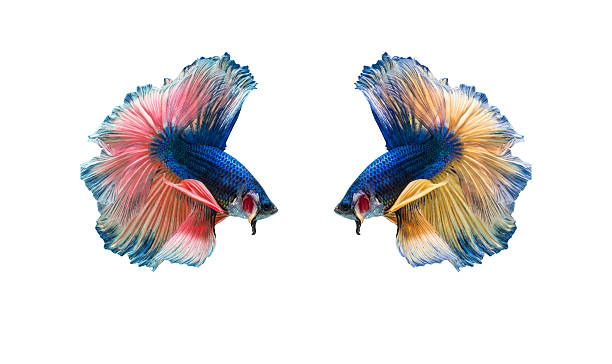
Male betta fish, often referred to as Siamese fighting fish, are among the most stunning additions to any aquarium. Known for their vivid colors and flowing fins, these fish serve as living art pieces and bring a sense of elegance to aquatic displays. Their ease of care and captivating appearance make them one of the most popular choices for both novice and experienced aquarium enthusiasts.
Benefits of Adding Male Betta Fish to Your Aquarium
- Aesthetic Appeal: With their wide range of colors—ranging from deep blues and fiery reds to iridescent greens—male bettas transform an ordinary aquarium into a vibrant underwater world.
- Compact Size: These fish are small in size, typically growing no larger than 3 inches in length, making them ideal for smaller tanks or desktop aquariums.
- Low Maintenance: Betta fish are hardy creatures that thrive in various water conditions, requiring minimal upkeep compared to more delicate species.
- Interactive Nature: Male bettas often interact with their owners by flaring their fins or following movements outside the tank, creating a unique pet-owner bond.
Setting Up the Perfect Environment
| Parameter | Recommended Range |
| Tank Size | Minimum 5 gallons per male betta |
| Water Temperature | 76°F – 82°F (24°C – 28°C) |
| pH Levels | Neutral (6.5 – 7.5) |
| Filtration | Low-flow filter to prevent fin damage |
| Lighting | Moderate lighting; avoid overly bright setups |
In addition to meeting these parameters, incorporating live plants such as Java fern or Anubias can enrich the tank’s environment. Plants provide hiding spots and mimic the natural habitat of wild bettas while enhancing water quality.
Tips for Selecting Vibrant Male Betta Fish
- Examine Fin Condition: Healthy male bettas should have smooth fins without signs of tearing or discoloration.
- Observe Activity Levels: A healthy fish will be active and responsive rather than lethargic or hovering near the bottom of its container.
- Color Vibrancy: Look for bright coloration indicative of health; dull colors may suggest poor conditions or stress.
- Compatibility Concerns: If you plan on housing multiple species in one tank, ensure your chosen males have compatible temperament with other inhabitants.
Creating Harmony in an Aquarium
It’s important to remember that male bettas are highly territorial creatures and should generally not be housed with other males due to aggressive behavior. However, they can coexist peacefully with certain non-aggressive species like snails or small schooling fish such as neon tetras if given adequate space.
By carefully selecting your male bettas and catering to their specific needs, you can create an aquarium that is both visually stunning and conducive to their well-being—a living masterpiece filled with color and life.
Discover the Unique Characteristics of Male Betta Fish for Sale
Male Betta fish, also known as Siamese fighting fish, are among the most vibrant and captivating freshwater species available in the aquarium trade. Their unique characteristics, striking colors, and fascinating behaviors make them a popular choice for both beginner and experienced aquarists. Understanding their physical features, coloration, and behavior can help enthusiasts better appreciate these remarkable creatures.
Distinctive Physical Features
- Flowing Fins: Male Bettas have long, flowing fins that come in a variety of shapes such as veil tail, crown tail, halfmoon, and double tail.
- Bright Coloration: Their scales shimmer with vivid hues like red, blue, green, purple, or even metallic tones due to structural pigmentation.
- Smaller Body Size: On average, male Bettas measure about 2.5–3 inches long when fully grown.
- Labyrinth Organ: Like all Bettas, they possess a labyrinth organ that allows them to breathe air directly from the surface in addition to using their gills.
The combination of these features makes male Bettas visually stunning additions to any aquarium setup.
Stunning Color Variations
| Color Variation | Description |
| Solid Colors | Uniform coloration such as red or blue across their entire body and fins |
| Bi-colors | Two distinct colors on the body and fins |
| Marble Patterns | Irregular blotches of contrasting colors |
| Koi or Galaxy | Resembling koi fish patterns with iridescent or speckled designs |
| Metallic Shades | Shimmering finishes in copper or platinum tones |
These vibrant patterns are often enhanced under proper lighting conditions in aquariums.
Behavioral Traits
- Aggression: Male Bettas are highly territorial. They will flare their gill covers (operculum) to appear larger when confronted by other males or even their own reflection.
- Bubble Nest Building: These fish create bubble nests on the water’s surface as part of their breeding rituals.
- Intelligence: Male Bettas can recognize owners over time and even respond to hand feeding or training exercises like following fingers across glass.
Practical Tips for Showcasing Their Beauty
To highlight the unique traits of male Betta fish in your aquarium: 1. Use darker substrate colors to make their hues stand out. 2. Provide adequate space (a minimum tank size of 5 gallons per fish is ideal). 3. Incorporate plants that mimic natural habitats while offering hiding spots. 4. Avoid placing mirrors near aquariums for prolonged periods; this may stress territorial males.
By exploring the distinctive characteristics and features of male Betta fish in detail, aquarists can better care for these extraordinary creatures while creating an environment where they thrive visually and behaviorally.

Exploring the Aggressive Behavior of Male Betta Fish at a Betta Fish Online Shop
Male betta fish, also referred to as Siamese fighting fish, are widely recognized for their striking beauty and unparalleled aggression. This behavior stems from their evolutionary history, natural instincts, and environmental factors. Let’s delve deeper into why male bettas exhibit such territorial and combative tendencies.
Evolutionary Origins of Aggression
The aggressive nature of male bettas has deep evolutionary roots: – Survival in the Wild: In their native habitats across Southeast Asia (Thailand, Cambodia, Vietnam), male bettas often inhabit small, stagnant waters like rice paddies or shallow ponds. These environments can be competitive due to limited resources like food and space. – Competition for Breeding: Male bettas evolved to defend territories to attract mates. The brighter their colors and more dominant their behavior, the more likely they were to reproduce successfully.
Key Behavioral Traits
Male bettas showcase several traits that highlight their territoriality: – Flared Fins: Bettas flare their fins and gill covers when encountering another male or perceived threat. This display is meant to make them appear larger and intimidate rivals. – Bubble Nests: Males construct bubble nests at the water’s surface as part of breeding preparation. They guard these nests fiercely against intruders. – Chasing and Nipping: When two males meet in a confined space, they often chase each other or nip fins until one submits or retreats.
Environmental Triggers of Aggression
Certain factors in a tank or aquarium setting can amplify aggressive tendencies: 1. Small Tanks: Restricted spaces heighten territorial disputes because it limits areas males can claim as their own. 2. Reflective Surfaces: Clear glass walls or mirrors may trick a male betta into thinking there’s another rival present. 3. Tankmates: Adding other brightly colored fish or finned creatures (like guppies) may provoke chasing behavior since they are perceived as threats.
Managing Aggression in Captivity
Although aggression is an inherent trait of male bettas, fishkeepers can manage this behavior by following best practices: – Keep males in separate tanks rather than community settings unless with carefully chosen species such as bottom dwellers (e.g., corydoras). – Ensure tanks are adequately sized—at least 5 gallons—to provide sufficient territory space. – Avoid placing mirrors near tanks for prolonged periods to minimize stress caused by constant displays toward reflections.
| Factor | Solution |
| Overcrowding | Provide a single tank per male; use dividers if necessary. |
| Stress from Reflection | Remove reflective surfaces near the aquarium. |
| Aggressive Tankmates | Pair only with non-aggressive species like snails or shrimp. |
Understanding why male betta fish are naturally aggressive allows aquarists to create enriching environments that align with their instincts while fostering healthy behaviors. Recognizing these traits is key to ensuring both the safety of the betta and any potential tankmates added over time.
How to Buy Betta Fish for Sale and Understand Their Lifespan in Captivity
Male betta fish, also known as Siamese fighting fish, are among the most popular freshwater aquarium species due to their vibrant colors and captivating personalities. Like any pet, understanding their lifespan and factors that contribute to their longevity is essential for providing optimal care. When cared for properly, male bettas can live fulfilling lives in captivity.
Average Lifespan of Male Betta Fish
The typical lifespan of a male betta fish in captivity ranges from 2 to 4 years. However, with exceptional care and attention, some bettas may live up to 5 years or more. Factors such as genetics, diet, tank conditions, and stress levels significantly impact their longevity.
| Factor | Impact on Lifespan |
| Genetics | Determines the baseline health and resistance to diseases. |
| Diet | A high-quality diet promotes health and vitality. |
| Tank Conditions | Clean water prevents illness and stress-related deaths. |
| Stress Levels | Reduced stress enhances overall well-being. |
Factors That Influence Their Longevity
- Male bettas thrive best in tanks that hold at least 5 gallons of water or more.
- Small or poorly maintained tanks can lead to stress, stunted growth, and a shorter lifespan.
- Use a heater to maintain consistent water temperatures between 76°F-82°F (24°C-28°C).
- Include soft plants or decorations without sharp edges to avoid fin damage.
- Bettas are highly sensitive to ammonia, nitrite, and nitrate levels.
- Perform regular water changes (approximately 25%-30% weekly) to maintain clean conditions.
- Install a gentle filter system; strong currents can stress male bettas due to their long fins.
- Feed your male betta high-quality pellets specifically designed for carnivorous fish.
- Supplement with occasional treats like freeze-dried bloodworms or brine shrimp for variety.
- Avoid overfeeding; feed only what they can consume within 2 minutes once or twice daily.
- Male bettas are highly territorial; do not house them with other male bettas or fin-nipping species like tiger barbs.
- Avoid drastic changes in water parameters that could cause shock.
Recognizing Signs of Aging
As male bettas age, you may notice: – Fading colors or dullness in their once-vibrant hues. – Reduced activity levels; older bettas often swim less actively around the tank. – Gradual wear on fins due to age-related fragility instead of injury.
By understanding these factors and implementing proper husbandry practices, you can ensure your male betta fish thrives throughout its life in captivity while maintaining its stunning appearance for years.
A Guide to Popular Halfmoon, Plakat, and Elephant Ear Betta Varieties
Betta fish are renowned for their stunning appearance and diversity in fin shapes, patterns, and colors. Among the most popular varieties of male bettas are Halfmoon, Plakat, and Elephant Ear. Each type boasts unique traits that make them highly sought after by aquarium enthusiasts. Understanding the characteristics of these varieties can help you choose the best fit for your aquarium.
Halfmoon Betta Fish
The Halfmoon betta is a favorite among hobbyists due to its dramatic fins and elegant appearance.
- Tail Shape: Named for its tail that spreads 180 degrees into a perfect “half-moon” shape when fully flared.
- Color Variations: Available in a wide range of colors, including solid hues like blue and red as well as multi-colored patterns.
- Behavior: Like all bettas, they can be aggressive toward other males or fish with long flowing fins.
- Tank size: Minimum of 5 gallons.
- Water temperature: Maintain between 76°F and 82°F.
- Filtration: Gentle filtration preferred to avoid damaging delicate fins.
Their showy tails make them an eye-catching centerpiece in any aquarium setup but require special care to prevent fin damage or infections.
Plakat Betta Fish
The Plakat betta stands out due to its shorter fins and more natural appearance, which closely resembles wild bettas.
- Tail Shape: Shorter and less dramatic than other varieties; resembles the original form of wild bettas.
- Easier mobility compared to long-finned varieties.
- Lower risk of fin tears or infections.
- Color Patterns: Comes in an array of vibrant shades such as metallic greens, blues, reds, and even marbled designs.
- Known for being particularly active swimmers.
- Equally aggressive as other males but may be less prone to stress due to their hardy nature.
Plakats are an excellent choice if you’re looking for a robust fish with lower maintenance needs while retaining striking coloration.
Elephant Ear Betta Fish (Dumbo Betta)
Elephant Ear bettas earn their name from their oversized pectoral fins that resemble elephant ears.
- Large pectoral fins that create a distinctive “flapping” motion while swimming.
- Often paired with stunning color combinations like pastel blues or iridescent whites.
- Due to their heavier fins, they may tire more easily than other varieties during swimming.
- Optimal tank conditions include slow water flow and plenty of resting spots like plants or decorations.
This variety serves as a fascinating addition thanks to its unusual fin structure but requires careful monitoring for signs of fatigue or fin-related issues.
Comparison Table
| Variety | Fin Type/Size | Key Feature | Care Level |
| Halfmoon | Long flowing fins | Dramatic “half-moon” tail | Moderate |
| Plakat | Short natural fins | Resembles wild types | Beginner-friendly |
| Elephant Ear | Large pectoral fins | Unique “flapping” motion | Moderate |
Choosing the Right Variety
Selecting between these three popular types depends on your preferences for aesthetics versus care requirements. If you love elaborate displays, the Halfmoon is perfect. For practicality combined with beauty, consider the Plakat. Meanwhile, if you’re drawn to unique traits like oversized pectoral fins, the Elephant Ear offers something truly special.
Regardless of your choice, maintaining clean water conditions, providing proper nutrition through high-quality pellets or frozen foods (like bloodworms), and paying attention to each variety’s specific needs will ensure a healthy environment where your male bettas can thrive.
Everything You Need to Know About Wild Betta Fish and Their Natural Habitat
Wild betta fish, or Betta splendens, are native to Southeast Asia, primarily found in countries like Thailand, Cambodia, Vietnam, and Malaysia. While their domesticated counterparts are renowned for their vibrant colors and elaborate fins, wild bettas have a more subdued appearance. Their natural habitats provide valuable insight into their behavior, diet, and care needs in captivity.
Natural Habitat of Wild Betta Fish
- Rice paddies: Often flooded during rainy seasons, these fields are teeming with aquatic plants and insects that sustain wild bettas.
- Swamps: These acidic waters offer plenty of cover from predators due to their murky nature and abundant plant life.
- Ditches and ponds: Wild bettas thrive in small water bodies where competition for resources is limited.
- Floodplains: During monsoons or heavy rainfall, wild bettas adapt to changing water levels by thriving in temporary floodplains.
The water conditions in these natural habitats are typically soft with a low pH (acidic), which is influenced by decaying organic matter like leaves and plants.
| Habitat Type | Characteristics | Benefits for Wild Bettas |
| Rice Paddies | Shallow water; dense vegetation | Ample cover; plentiful food sources |
| Swamps | Murky water; acidic environment | Conceals from predators |
| Ditches | Limited competition for resources | Easier survival |
| Floodplains | Temporary but nutrient-rich | Allows breeding opportunities |
Behavior in the Wild
- Males establish territories within patches of plants or near surface debris where they build bubble nests for breeding.
- Fights between males can occur over territory but tend to be less intense compared to domesticated varieties bred for aggression.
- Bettas rely on camouflage rather than bright displays to evade predators due to their muted coloration in the wild.
Female wild bettas are less territorial and typically roam freely across larger areas compared to males.
Diet of Wild Betta Fish
- Mosquito larvae
- Small insects
- Zooplankton
- Tiny crustaceans
Occasionally, they may consume plant matter or algae when animal-based food sources are scarce.
A replication of this high-protein diet is essential when keeping wild-type or domesticated bettas in aquariums.
Conservation Status of Wild Bettas
While domestic breeding has ensured the widespread availability of ornamental betta fish, some wild populations face challenges due to habitat loss caused by urbanization and agricultural expansion. Conservation efforts focus on protecting wetlands and educating communities about preserving local ecosystems crucial for sustaining species like Betta splendens.
Understanding the habitat preferences and behavior of wild betta fish provides aquarists with a deeper appreciation for these fascinating creatures while emphasizing the importance of creating appropriate environments at home.
- How to Buy Betta Fish Online and Keep Them Happy and Healthy
- Finding the Best Betta Fish for Sale: Care Tips for a Happy and Healthy Pet
- Betta Fish for Sale – Why They Make the Perfect First Pet for Kids
- Discover How to Buy Betta Fish Online for a Stunning Aquarium Upgrade
- Betta Fish for Sale – Comprehensive Guide to Choosing and Caring for Your Betta
- Essential Tips for Choosing the Best Betta Fish Online Shop
