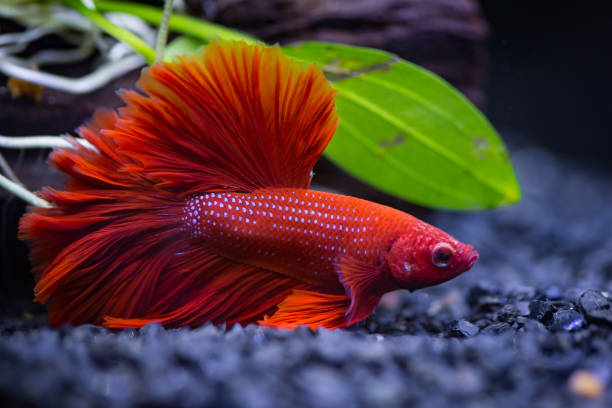
Betta fish, also known as Siamese fighting fish, are one of the most popular freshwater species for aquarium enthusiasts. Their vibrant colors and unique personalities make them a delightful addition to any home. However, bettas require proper care to thrive. For new owners, understanding their specific needs is crucial to ensure your betta remains happy and healthy throughout its life.
1. Understand Your Betta’s Natural Habitat
Bettas originate from shallow waters in Southeast Asia, such as rice paddies, ponds, and slow-moving streams. Replicating these conditions in your aquarium can help your betta feel at home: – Water Temperature: Maintain a stable water temperature between 76°F–82°F (24°C–28°C). Bettas are tropical fish and cannot tolerate cold water. – Water Quality: Use a good filtration system or perform regular partial water changes (about 25% weekly) to maintain clean and safe water. – Tank Size: Contrary to popular belief, bettas require more than small bowls. A tank of at least 5 gallons is recommended.
2. Choose the Right Tank Setup
Proper tank setup ensures that your betta lives in an environment that supports its physical and mental well-being: – Aquarium Substrate: Use smooth gravel or sand at the bottom of the tank. – Plants & Decorations: Add live or silk plants along with decorations that provide hiding spots like caves or driftwood. – Lighting: Bettas prefer moderate lighting. Avoid overly bright lights as they can cause stress.
| Tank Feature | Optimal Choice | Purpose |
| Tank Size | Minimum 5 gallons | Provides enough swimming space |
| Water Heater | Adjustable heater | Maintains ideal tropical temperatures |
| Plants | Live plants (e.g., Java fern) | Mimics natural habitat, reduces stress |
3. Monitor Your Betta’s Behavior
Keeping an eye on your betta’s behavior ensures early detection of potential health problems: – Active Swimming: A healthy betta is active and explores its surroundings. – Appetite: Loss of appetite may indicate stress or illness. – Fin Condition: Torn or clamped fins could be signs of poor water quality or disease.
4. Avoid Common Mistakes
New owners often make mistakes that can harm their fish: – Using untreated tap water without a conditioner can introduce harmful chlorine and heavy metals into the tank. – Overfeeding leads to food waste, poor water quality, and obesity in fish. – Keeping multiple male bettas together results in aggressive behavior.
By addressing these essential care tips, you can provide your betta with the environment it needs to lead a happy and healthy life while enjoying the beauty it brings to your home.
Comprehensive Guide to Nutrition and Meal Frequency from a Betta Fish Online Shop
Proper nutrition is a cornerstone of keeping your betta fish healthy, vibrant, and thriving. Feeding a betta isn’t simply about tossing food into the tank; it requires an understanding of their dietary needs, meal frequency, and potential health concerns related to improper feeding. Below is a detailed guide to ensure you’re meeting your betta’s nutritional needs effectively.
Understanding Betta Dietary Needs
Betta fish are carnivorous by nature. In the wild, they primarily feed on insects and insect larvae. As such, their digestive systems are designed for high-protein diets rather than plant-based foods. When choosing food for your betta, focus on high-quality protein-rich options that mimic their natural diet.
Here’s what makes up the ideal diet for bettas: – Protein-Rich Pellets: Specialized betta pellets are a staple option because they are nutritionally balanced with appropriate protein content. – Live Foods: Offer live foods like brine shrimp or bloodworms as occasional treats to provide enrichment and mimic natural hunting behaviors. – Frozen or Freeze-Dried Foods: Bloodworms, daphnia, or brine shrimp in frozen or freeze-dried forms serve as convenient alternatives to live options. – Avoid Overloading with Plant Material: While some spirulina may be included in pellets for balance, avoid foods primarily designed for herbivorous fish.
Meal Frequency: How Often Should You Feed Your Betta?
Feeding frequency is just as important as the food itself. Overfeeding can lead to obesity and water quality issues within the tank due to uneaten food decomposing.
The optimal feeding schedule includes: 1. Small Meals Twice Daily: Feed your betta small amounts twice per day (morning and evening). This mimics their natural intake in the wild. 2. Adjust Portions Accordingly: Each meal should consist of 2-3 pellets or a pinch of live/freeze-dried food—no more than what they can consume within 2 minutes. 3. Occasional Fasting Days: Consider implementing one fasting day per week where no food is offered. This helps prevent constipation and allows their digestive system time to process any lingering waste.
Signs of Proper Nutrition vs Overfeeding
| Aspect | Signs of Proper Nutrition | Signs of Overfeeding/Underfeeding |
| Activity Level | Energetic and actively swimming | Lethargic or sluggish |
| Body Condition | Vibrant coloration with no bloating | Swollen belly (overfed) or sunken stomach (underfed) |
| Tank Cleanliness | Minimal leftover food | Cloudy water caused by excess uneaten food |
If you notice bloating or constipation in your betta due to overfeeding, consider fasting them for 24-48 hours before resuming smaller portions.
Foods to Avoid Feeding Your Betta
Not all fish foods are suitable for bettas. Avoid feeding them anything not specifically formulated for carnivorous fish. Some items that should be avoided include: – Fish flakes designed for general tropical fish populations – Bread crumbs or human food – Food containing chemical preservatives like ethoxyquin – Large-sized pellets that are difficult for them to swallow
By avoiding these unsuitable options and sticking to species-specific nutrition sources, you’ll ensure long-term health benefits for your pet.
Providing proper care when it comes to feeding will contribute significantly to the well-being of your betta fish. A thoughtful approach not only keeps them healthy but also enhances their vivid colors—making them even more captivating companions in your aquarium environment.
Complete Guide to Nutrition and Meal Frequency When You Buy Betta Fish for Sale
Proper nutrition is fundamental to maintaining the health and longevity of your betta fish. These vibrant and hardy creatures require a diet tailored to their unique needs as carnivorous species. Below is a complete guide to feeding your betta, including dietary requirements, types of food, and recommended frequency.
Understanding Betta Fish Dietary Requirements
- Protein: The majority of a betta’s diet should consist of protein-rich food.
- Fats: A moderate level of healthy fats supports growth and energy.
- Fiber: Minimal fiber is required since their digestive systems are not designed for plant matter.
Feeding inappropriate food can lead to malnutrition or digestive issues in bettas. Always prioritize high-quality protein sources when selecting their meals.
Common Types of Betta Food
- Specially formulated pellets are one of the most common food options for bettas. Look for pellets specifically labeled as “betta pellets” with high protein content.
- Avoid overfeeding; pellets expand when wet, which can lead to bloating.
- Freeze-dried options like bloodworms or brine shrimp provide variety in their meals.
- Always soak freeze-dried food before feeding to prevent digestion issues.
- Frozen bloodworms, brine shrimp, or daphnia provide excellent nutrition.
- Thaw frozen food thoroughly before offering it to your fish.
- Live insects such as mosquito larvae or brine shrimp stimulate natural hunting instincts and provide the freshest source of nutrients.
- Be cautious about sourcing live food from trusted suppliers to avoid introducing parasites.
- Betta flakes can be used occasionally but are less nutritious compared to pellets or live/frozen alternatives.
- Ensure flakes do not contain fillers like wheat or corn.
Meal Frequency and Portion Sizes
Overfeeding is a common issue among new betta owners. Proper meal frequency and portion control help maintain your fish’s health while avoiding problems like bloating or constipation.
- Feed your betta 2–3 small meals per day rather than a single large portion.
- Each meal should consist of an amount that they can consume within 1–2 minutes.
- Skip feeding one day per week (a fasting day) to prevent constipation and allow their digestive system some rest.
Sample Feeding Schedule
| Time | Food Type | Portion Size |
| Morning (8 AM) | Betta Pellets | 2–3 Pellets |
| Midday (Optional) | Freeze-Dried | Small Pinch |
| Evening (6 PM) | Frozen Bloodworms | 2–3 Worms |
Tips for Healthy Feeding Practices
- Observe Eating Habits: Remove any uneaten food after a few minutes to maintain water quality.
- Avoid Overfeeding: Excessive feeding can lead to obesity, swim bladder issues, and poor water conditions due to decaying leftovers.
- Experiment with Variety: Rotating between different foods keeps your betta engaged while providing balanced nutrition.
- Monitor Health Indicators: A healthy betta should exhibit vibrant colors, active swimming behavior, and no visible bloating around the abdomen after eating.
By following these guidelines, you’ll ensure that your betta receives proper nutrition while preventing common dietary-related problems. Thoughtful care in this area will contribute greatly to the happiness and vitality of your aquatic companion.

A Guide to Buy Betta Fish Online and Choose the Perfect Companion
Selecting the right Betta fish is an exciting process, but it requires careful consideration to ensure you bring home a healthy, vibrant companion. From understanding their physical features to assessing their behavior, here are key factors to help you make an informed decision.
1. Understanding Betta Varieties
- Veil Tail: The most common tail type with a long, flowing shape.
- Crown Tail: Recognizable by its spiky fin structure resembling a crown.
- Halfmoon: Known for its dramatic fan-shaped tail that spans nearly 180 degrees.
- Plakat: Short-finned Bettas resembling wild variants but bred for vibrant colors.
- Color Variations
Bettas display a spectrum of hues such as red, blue, yellow, white, and iridescent shades like turquoise or metallic green. Consider selecting a color that appeals to your personal preference and suits your tank’s aesthetic. - Patterns
Patterns can include solid colors or combinations such as marble (random splashes of color) or butterfly (distinct bands of color on the fins).
2. Assessing Health at Purchase
Signs of a Healthy Betta:
- Active swimming and responsive behavior when approached.
- Bright and vibrant coloration without dull patches.
- Fins that are fully intact without tears or fraying.
- Clear eyes free from cloudiness or visible swelling.
- A clean body without any signs of white spots (indicative of ich) or other infections.
Signs of Illness to Avoid:
- Lethargy or staying at the bottom/top of the tank for long periods.
- Clamped fins that stay close to their body instead of fanning outward.
- Visible wounds, fungus-like growths, bloating, or erratic swimming patterns.
3. Gender Considerations
Betta males are typically more colorful and have longer fins compared to females. If you plan on housing just one fish per tank (which is often recommended due to their territorial nature), either gender can work well depending on your aesthetic preference.
However, if considering multiple Bettas in a community setting: – Choose females for sorority tanks (5+ females recommended). This reduces aggression when ample space and hiding spots are provided. – Avoid housing two males together; they will likely fight due to territorial instincts.
4. Age Matters
Opt for a juvenile Betta rather than an older one so you can enjoy more time with your pet while ensuring proper growth under your care:
| Age Range | Benefits | Notes | |———————|———————————–|————————| | Juvenile (<6 months)| Easier adaptation & longer lifespan | Requires good diet & care | | Adult (~1 year) | Fully developed colors & tails | Shorter time with owner|
Request age information from sellers whenever possible.
5. Choosing From Reputable Sources
Always purchase Bettas from reliable sources such as local aquarium stores specializing in freshwater species or certified breeders who prioritize quality over quantity in breeding practices. Avoid overcrowded tanks where disease may spread easily among fish.
By following these guidelines during selection, you’ll not only bring home a stunning aquatic companion but also improve its chances for living a healthy life under your care.
Adding Tank Mates and Creating a Peaceful Environment for Your Betta
Betta fish, also known as Siamese fighting fish, are renowned for their striking beauty and territorial behavior. While they thrive as solitary pets in many cases, it is possible to add tank mates to their environment under the right conditions. This requires careful planning to ensure harmony and prevent stress or aggression. Below is a comprehensive guide to help you create a peaceful environment for your betta when introducing other aquatic companions.
Factors to Consider Before Adding Tank Mates
Before introducing any tank mates, it’s essential to evaluate several factors:
– Temperament of Your Betta: Every betta has a unique personality. Some are more tolerant of tank mates, while others display aggressive tendencies. Observe your betta’s behavior closely before making any decisions.
– Tank Size: A larger tank is crucial when housing multiple fish. For a betta with companions, the minimum recommended size is 10 gallons or more to provide enough space for all inhabitants.
– Water Parameters: Maintaining stable water conditions such as temperature (75–80°F), pH (6.5–7.5), and low ammonia/nitrite levels is vital for reducing stress in both bettas and their tank mates. – Aquascaping: Provide ample hiding spots using plants, rocks, and caves so that all fish can retreat if needed.
Best Tank Mates for Bettas
| Species Name | Compatibility Traits |
| Mystery Snails | Peaceful; help keep the tank clean |
| Corydoras Catfish | Bottom-dwellers; non-aggressive |
| Kuhli Loaches | Shy; occupy lower parts of the tank |
| Harlequin Rasboras | Calm schooling fish; stay near the middle levels |
| Neon Tetras | Small and peaceful but require adequate space |
Note: Avoid adding fin-nipping species such as tiger barbs or long-finned varieties like guppies that may provoke aggression in your betta.
Tips for Introducing Tank Mates
- Acclimate New Fish Properly: Gradually acclimate the new fish by floating them in their bag within the tank for 15–20 minutes before release.
- Rearrange Decorations: Temporarily rearranging plants and décor can help disrupt established territories and reduce aggression.
- Monitor Closely: Observe interactions closely over several days to ensure compatibility between your betta and its new companions.
- Have a Backup Plan: Always be prepared with an extra tank in case separation becomes necessary due to persistent conflict.
Signs of Stress or Aggression
It’s essential to watch out for signs of stress in both your betta and its tank mates:
– Chasing or nipping behavior
– Faded coloration or torn fins
– Hiding excessively or refusing food
If these behaviors persist despite efforts to create harmony, consider removing incompatible species from the setup.
Careful planning when selecting compatible species ensures that your betta shares its habitat peacefully while retaining its vibrant health and personality.
- How to Buy Betta Fish Online and Keep Them Happy and Healthy
- Finding the Best Betta Fish for Sale: Care Tips for a Happy and Healthy Pet
- Betta Fish for Sale – Why They Make the Perfect First Pet for Kids
- Discover How to Buy Betta Fish Online for a Stunning Aquarium Upgrade
- Betta Fish for Sale – Comprehensive Guide to Choosing and Caring for Your Betta
- Essential Tips for Choosing the Best Betta Fish Online Shop
